Betting on Matches After European Competitions: How Fatigue Changes the Favourite
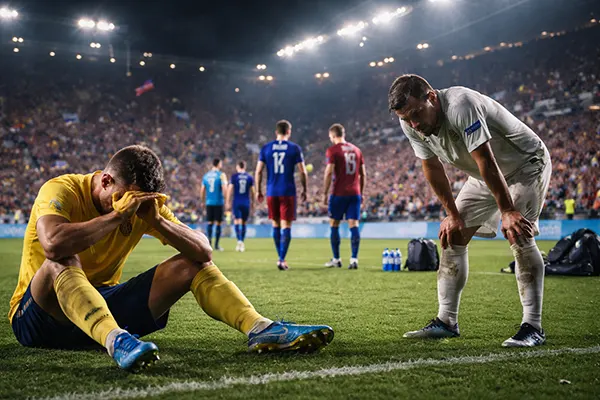
European competitions bring prestige, intensity and a heavy match schedule, but they also create one of the most underestimated betting angles — post-European fatigue. Teams returning from midweek fixtures often look dominant on paper, yet their actual performance can differ significantly. Understanding how physical and mental fatigue impacts favourites is essential for making informed betting decisions in modern football.
The Hidden Cost of European Fixtures
Clubs competing in tournaments such as the Champions League or Europa League face a demanding rhythm. Matches are often played on Tuesday or Wednesday, followed by domestic league fixtures just a few days later. This compressed schedule reduces recovery time, especially for teams relying on a core group of players.
Travel is another critical factor. Away games across Europe can involve long flights, time zone shifts, and disrupted routines. Even when teams return home quickly, recovery sessions are shortened, which affects both physical readiness and tactical preparation for the next match.
Squad depth plays a decisive role here. Top clubs may rotate effectively, but mid-tier teams often lack quality replacements. As a result, key players accumulate fatigue, which directly impacts pressing intensity, defensive concentration, and overall match tempo.
Why Bookmakers Don’t Always Adjust Enough
Odds are typically influenced by team strength, recent results, and historical performance. However, fatigue is harder to quantify and is not always fully reflected in pre-match pricing. This creates potential value for bettors who analyse schedules more deeply.
Public perception also plays a role. A team that performed well in Europe often gains additional support from casual bettors, which can inflate odds on the favourite. This bias ignores the physical toll of midweek competition.
Sharp bettors look beyond headlines. They assess minutes played by key individuals, distance travelled, and the intensity of the previous match. A high-tempo European fixture can leave a stronger impact than a controlled, low-intensity game.
Performance Patterns After Midweek Matches
Statistical trends show that favourites returning from European fixtures tend to underperform relative to expectations. This does not always mean they lose, but margins of victory are often smaller, and clean sheets become less frequent.
One common pattern is a slow start. Teams may struggle in the first half due to residual fatigue, leading to early concessions or lack of attacking sharpness. This creates opportunities in live betting markets.
Another factor is reduced pressing efficiency. High-intensity pressing requires fresh legs, and fatigued teams often drop deeper, allowing opponents more space and control. This changes the dynamics of the match entirely.
Key Indicators to Watch Before Betting
Line-up announcements provide valuable clues. If a manager rotates heavily, it may indicate fatigue concerns or prioritisation of future fixtures. Conversely, a strong line-up after a European match can signal risk of physical decline during the game.
Injury reports and substitutions from the previous match are equally important. Players who were heavily involved or played full matches are more likely to show signs of fatigue, especially in demanding positions like full-backs and central midfielders.
Motivation also varies. Teams fighting for league positions may push through fatigue, while those with secure standings might subconsciously reduce intensity. Context matters as much as physical condition.
Strategic Betting Approaches in These Situations
Instead of blindly backing favourites, a more cautious approach is often justified. Markets such as “both teams to score” or “under/over goals” can provide better value when fatigue influences defensive organisation.
Another effective strategy is targeting underdogs with a handicap advantage. Even if the favourite wins, the margin may not cover the spread due to reduced sharpness and energy levels.
Live betting offers additional opportunities. Observing the first 15–20 minutes can reveal whether fatigue is affecting the team. Slow tempo, misplaced passes, and reduced pressing intensity are clear indicators.
When Fatigue Matters Less
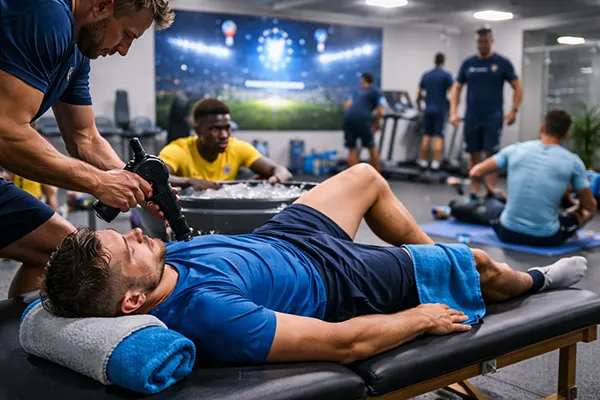
Not all teams are equally affected. Elite clubs with deep squads and advanced recovery systems manage fatigue better than smaller sides. Rotation policies and sports science departments play a significant role.
Home advantage can also offset fatigue to some extent. Familiar surroundings, reduced travel, and crowd support help teams maintain performance levels even after demanding midweek matches.
Finally, the nature of the previous European game matters. A low-intensity match with early control has less impact compared to a physically demanding encounter decided in the final minutes. Context always determines how much fatigue should influence betting decisions.